
The Haunted Attack Surface
AI is lowering barriers to specialist cyber work and shortening attack timelines. What comes next, and how security teams can prepare before the window closes.
Read postai-securityagentic-aiAudio · ai-podcast
Agentic systems, AI agents, autonomous pipelines, and SOC automation.
AI is lowering barriers to specialist cyber work and shortening attack timelines. What comes next, and how security teams can prepare before the window closes.
Read post
ThinkingBox makes a simple point about agent evaluation: a valid tool call and a confident final answer do not prove the intended change actually happened.
Read post
A flaw in the official MCP Python SDK let a server steer OAuth credentials to an attacker. Pin the issuer in client configuration.
Read post
Persistent memory gives agents continuity, but it also gives untrusted information a chance to outlast the conversation that introduced it.
Read post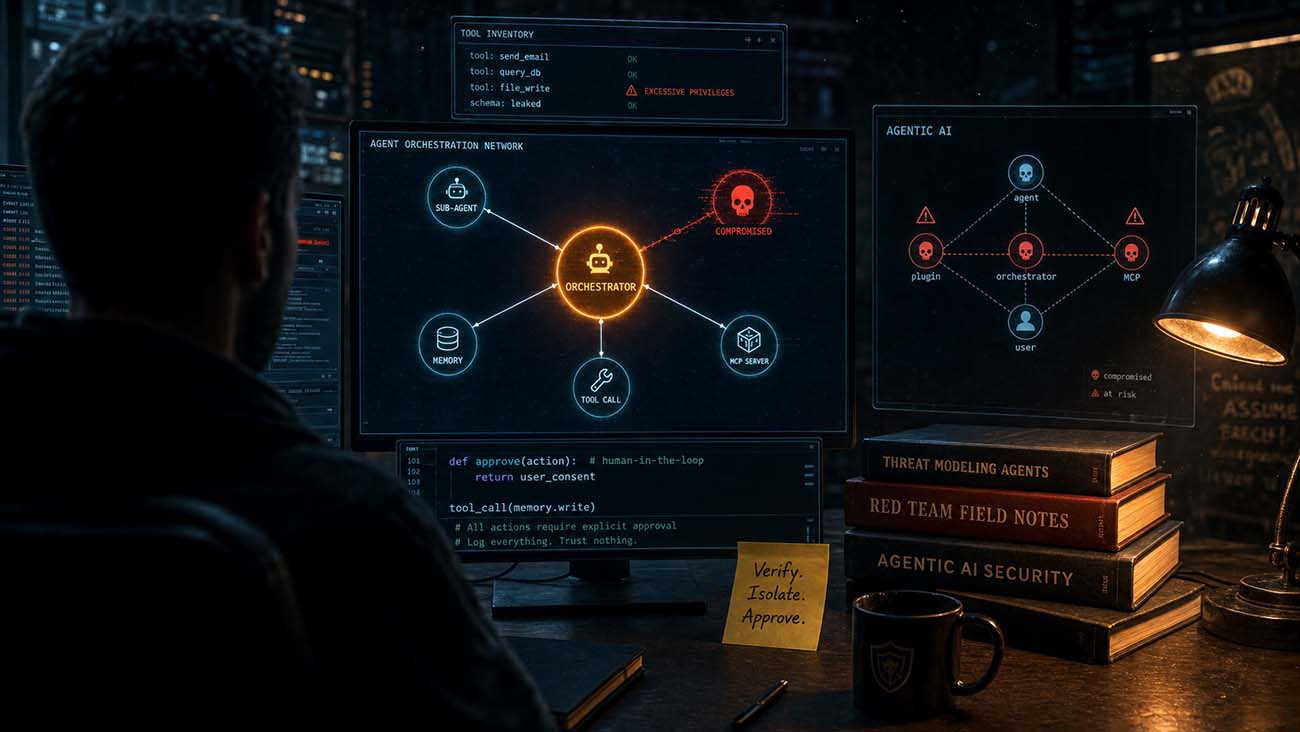
A year of agentic AI red-teaming has exposed seven failure modes that weren't on anyone's radar twelve months ago. Here's how to triage them by where your team actually sits today.
Read post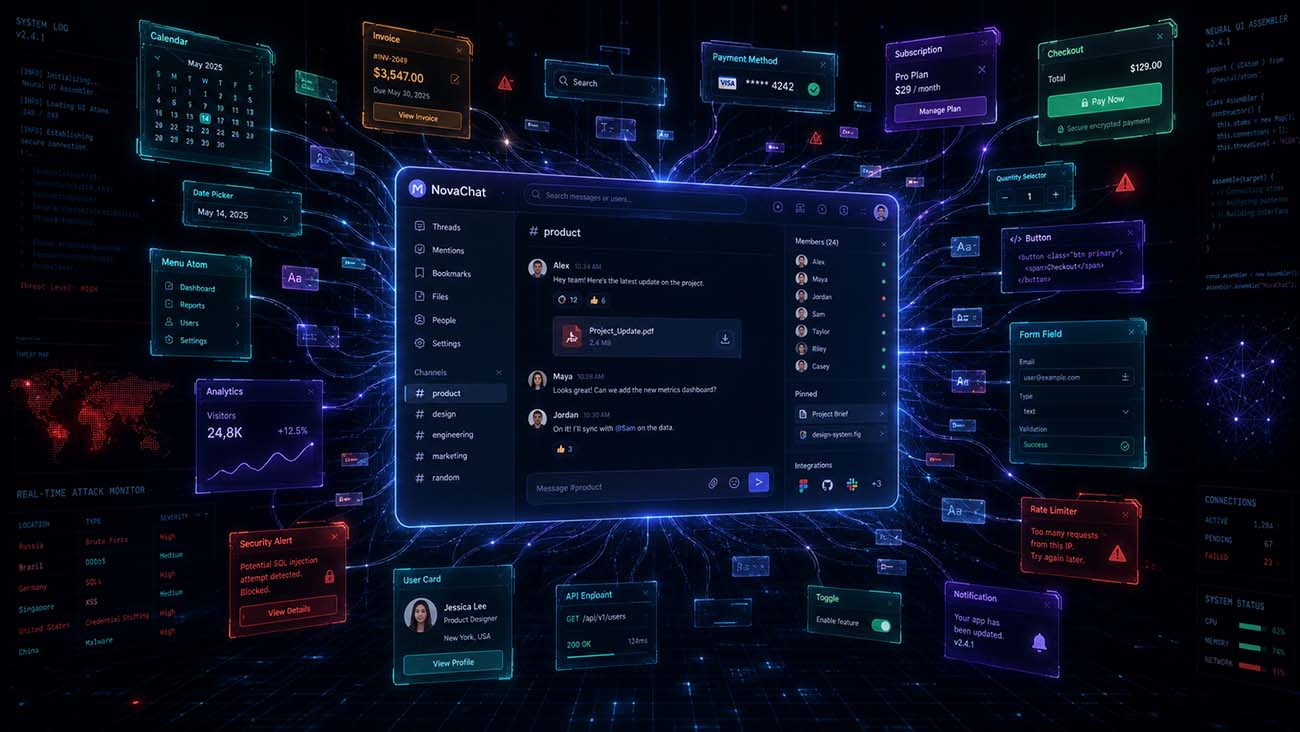
How MCP Apps' AI-assembled UI atoms from third-party sources resurrect cross-origin attack vectors the web spent 20 years learning to contain.
Read post
Why the context you feed AI coding agents is now a control plane - and why most organizations are not securing it like one.
Read post
Why unmanaged AI agents, ad hoc model choice, and opaque token spend are becoming a new enterprise governance crisis in 2026.
Read post
How agentic AI patterns like routers, prompt chains, and orchestrators shape trust, access, prompt injection risk, and blast radius.
Read post
Cybersecurity is turning into an AI-vs-AI arms race. This post explains how attackers and defenders are building AI agent armies—and why the future of defense looks a lot like a living tower-defense game.
Read post
A concise, opinionated look at how AI adoption in security acts as a stress test that amplifies existing weaknesses in data, systems, and processes rather than magically fixing them.
Read post
A security‑first walkthrough for installing, hosting, and testing OpenClaw without handing it the keys to your life.
Read post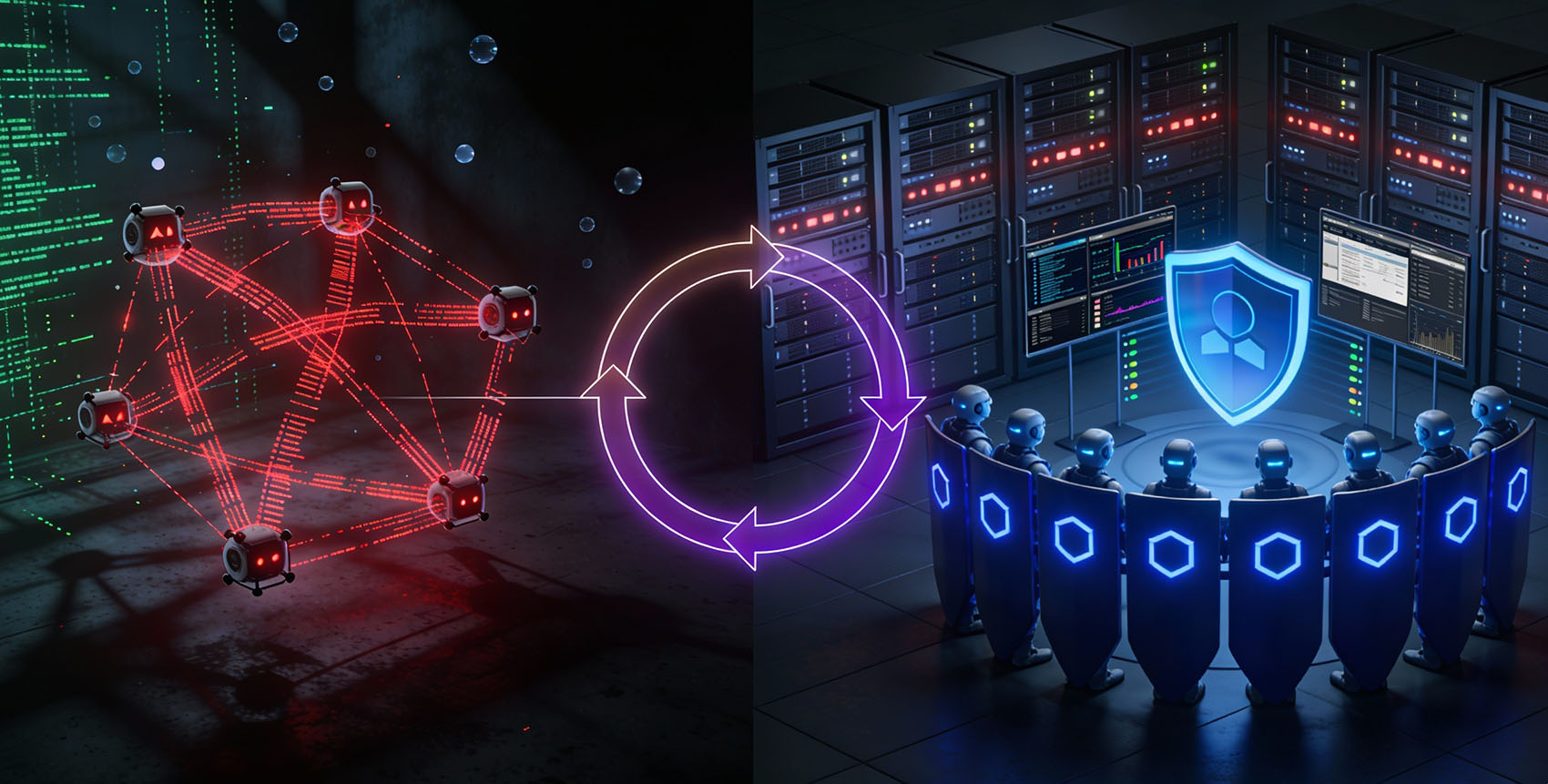
The Ralph Loop pattern is accelerating both malware development and cyber defense. This post unpacks how agentic automation is being weaponized by threat actors, and how security teams can adopt the same architecture—Ralph-style loops, guardrails, and agentic orchestration—to keep pace.
Read post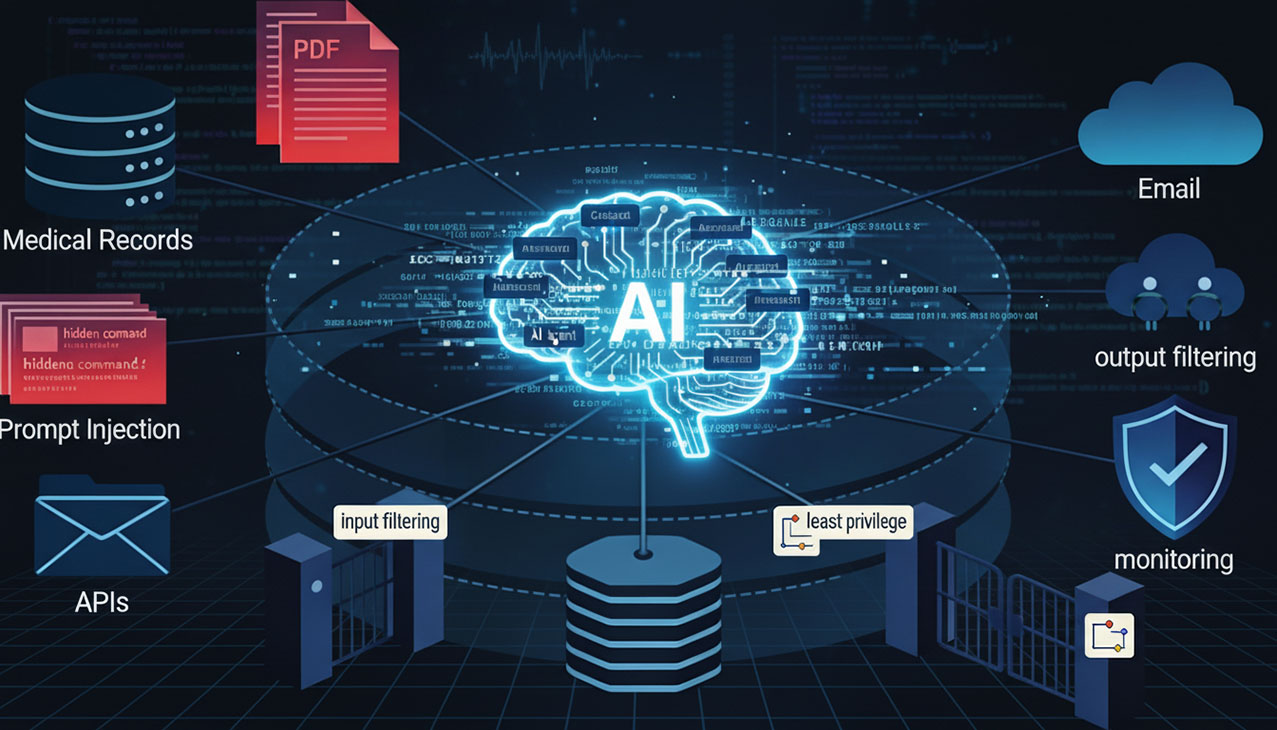
Agentic AI systems are quietly turning every connected system into a larger attack surface. This post breaks down direct and indirect prompt injection and the concrete patterns security teams should enforce: containment, input/output filtering, least privilege, and zero trust for agents.
Read post
A distilled summary of 2026 AI security consensus from leading vendors—the attack vectors and threats most organizations will face.
Read post
Explore how runtime guardrails protect large language models and agentic AI systems from prompt injections, jailbreaks, data leaks, and tool misuse with leading vendor solutions.
Read post