
When Agent Memory Becomes a Security Problem
Persistent memory gives agents continuity, but it also gives untrusted information a chance to outlast the conversation that introduced it.
Read postai-securityagentic-aillm-security
LLM attacks, prompt injection, model poisoning, guardrails, and MCP security.
Persistent memory gives agents continuity, but it also gives untrusted information a chance to outlast the conversation that introduced it.
Read post
AI-generated code often ships clean and then breaks later. This post explains why, and how your language choices and Python safety stack change the maintenance and security bill.
Read post
LLMs are non-deterministic by design. Anthropic wants government power to slow or block frontier model releases while capability extraction is allegedly happening through API access. Here's why the current framework does not match the real attack surface.
Read post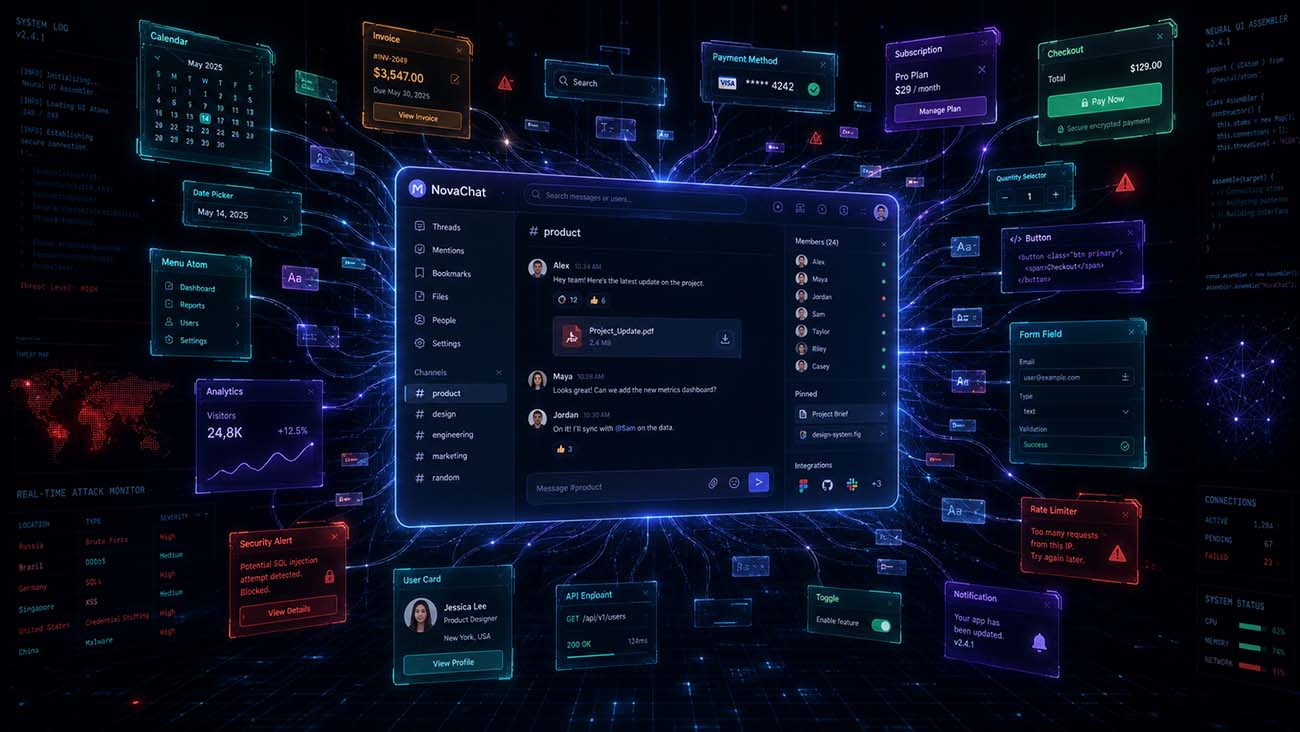
How MCP Apps' AI-assembled UI atoms from third-party sources resurrect cross-origin attack vectors the web spent 20 years learning to contain.
Read post
Why the context you feed AI coding agents is now a control plane - and why most organizations are not securing it like one.
Read post
How agentic AI patterns like routers, prompt chains, and orchestrators shape trust, access, prompt injection risk, and blast radius.
Read post
A security‑first walkthrough for installing, hosting, and testing OpenClaw without handing it the keys to your life.
Read post
Modern transformer models ship with billions of opaque parameters and undisclosed training data. This post explains why backdoor weights are effectively impossible to verify and why runtime guardrails are mandatory even if you sanitize prompts.
Read post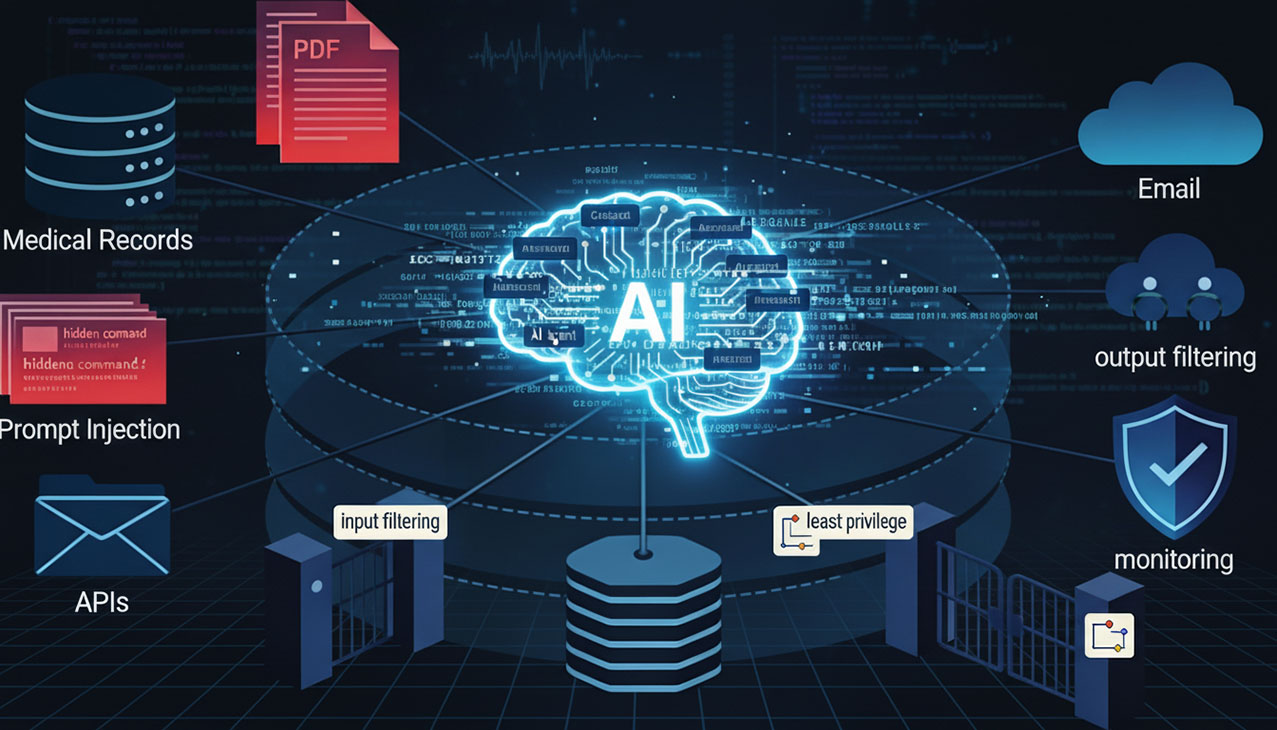
Agentic AI systems are quietly turning every connected system into a larger attack surface. This post breaks down direct and indirect prompt injection and the concrete patterns security teams should enforce: containment, input/output filtering, least privilege, and zero trust for agents.
Read post
OpenAI just acknowledged that its next-generation models are likely to pose a “high” cybersecurity risk. This post breaks down what that really means: LLMs as dual-use cyber infrastructure, the offense–defense balance, and how to architect your AI stack under an assumed high-risk model.
Read post
Explore how runtime guardrails protect large language models and agentic AI systems from prompt injections, jailbreaks, data leaks, and tool misuse with leading vendor solutions.
Read post
How secure sandbox environments are transforming AI engineering by making experimentation safer and security assessments sharper.
Read post
Explore the evolving landscape of AI security threats and learn practical strategies to protect your AI systems
Read post